
Supporting at Home
We recognise that parents and carers play a vital role in supporting children's learning, development and wellbeing. Strong partnerships between home and school help children to develop confidence, resilience and a positive attitude towards learning.
There are many simple but effective ways families can support their child at home, including reading together, encouraging communication, practising key skills and promoting emotional wellbeing. Supporting routines, celebrating achievements and maintaining regular communication with school can make a significant difference to a child's progress.
This section provides information, guidance and practical strategies to help families support learning and development beyond the classroom, as well as useful resources and signposting to additional support services.
Supporting Learning at Home
Children make the greatest progress when school and home work together. Establishing positive routines, providing encouragement and showing an interest in your child's learning can have a significant impact on their confidence and achievement.
Ways you can support your child include:
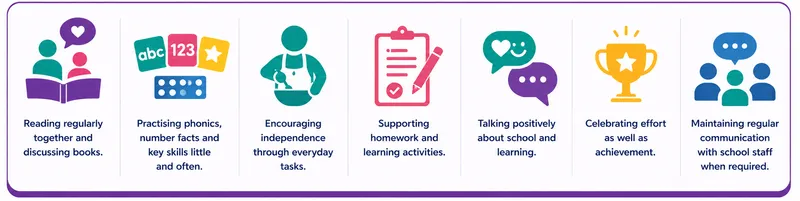
- Reading regularly together and discussing books.
- Practising phonics, number facts and key skills little and often.
- Encouraging independence through everyday tasks.
- Supporting homework and learning activities.
- Talking positively about school and learning.
- Celebrating effort as well as achievement.
- Maintaining regular communication with school staff when required.
Remember that learning does not only happen in the classroom. Everyday experiences such as cooking, shopping, playing games and family conversations all provide opportunities to develop important skills.
Supporting Communication at Home
Speech, language and communication skills are fundamental to learning, social development and emotional wellbeing.
You can support your child's communication development by:
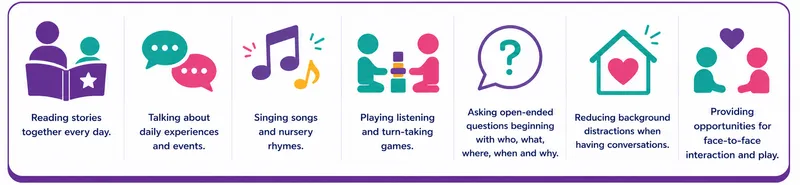
- Reading stories together every day.
- Talking about daily experiences and events.
- Singing songs and nursery rhymes.
- Playing listening and turn-taking games.
- Asking open-ended questions beginning with who, what, where, when and why.
- Reducing background distractions when having conversations.
- Providing opportunities for face-to-face interaction and play.
The most important thing is to make communication enjoyable and to encourage children to express their ideas, thoughts and feelings.
Supporting Emotional Wellbeing
Positive emotional wellbeing helps children to feel confident, resilient and ready to learn.
You can support your child's wellbeing by:
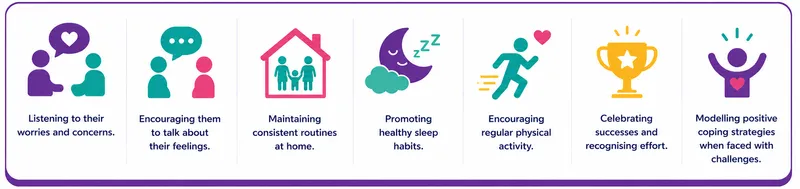
- Listening to their worries and concerns.
- Encouraging them to talk about their feelings.
- Maintaining consistent routines at home.
- Promoting healthy sleep habits.
- Encouraging regular physical activity.
- Celebrating successes and recognising effort.
- Modelling positive coping strategies when faced with challenges.
If you have concerns about your child's emotional wellbeing, please speak to your child's class teacher or contact our SENDCo.
Supporting Independence
Developing independence is an important part of a child's growth and prepares them for future learning and life experiences.
Children can be encouraged to:
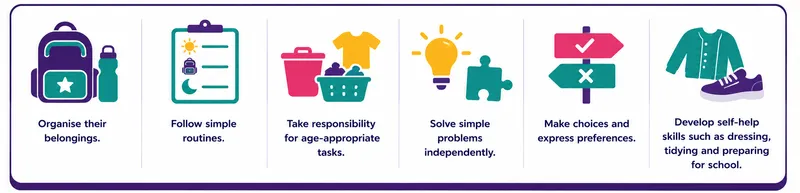
- Organise their belongings.
- Follow simple routines.
- Take responsibility for age-appropriate tasks.
- Solve simple problems independently.
- Make choices and express preferences.
- Develop self-help skills such as dressing, tidying and preparing for school.
Building independence helps children develop confidence, resilience and self-esteem.
Transition Support
Changes and transitions can sometimes be challenging for children, particularly those with additional needs.
At Springhead Primary School, we work closely with families to support key transitions, including:
- Starting school.
- Moving between year groups.
- Returning to school following a period of absence.
- Transitioning to high school.
Additional support may include:
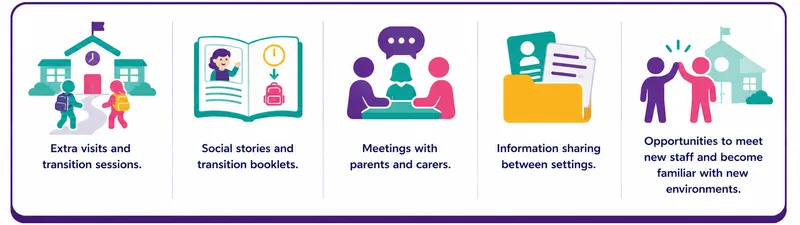
- Extra visits and transition sessions.
- Social stories and transition booklets.
- Meetings with parents and carers.
- Information sharing between settings.
- Opportunities to meet new staff and become familiar with new environments.
Our aim is to ensure that every child feels confident, prepared and supported during periods of change.
Useful Resources for Families
The following organisations provide information, advice and support for children and families: